Generative AI · Model Steering · AI for Science
Building generative models that are more controllable, interpretable, and reliable.
I am a Ph.D. student in Computer Science and Engineering at the University of Notre Dame, advised by Prof. Xiangliang Zhang. My research studies how generative models learn, represent, steer, and execute complex behavior—from training dynamics and test-time behavior in language models to scientific modeling and discovery.
Education
Experience
Selected Publications
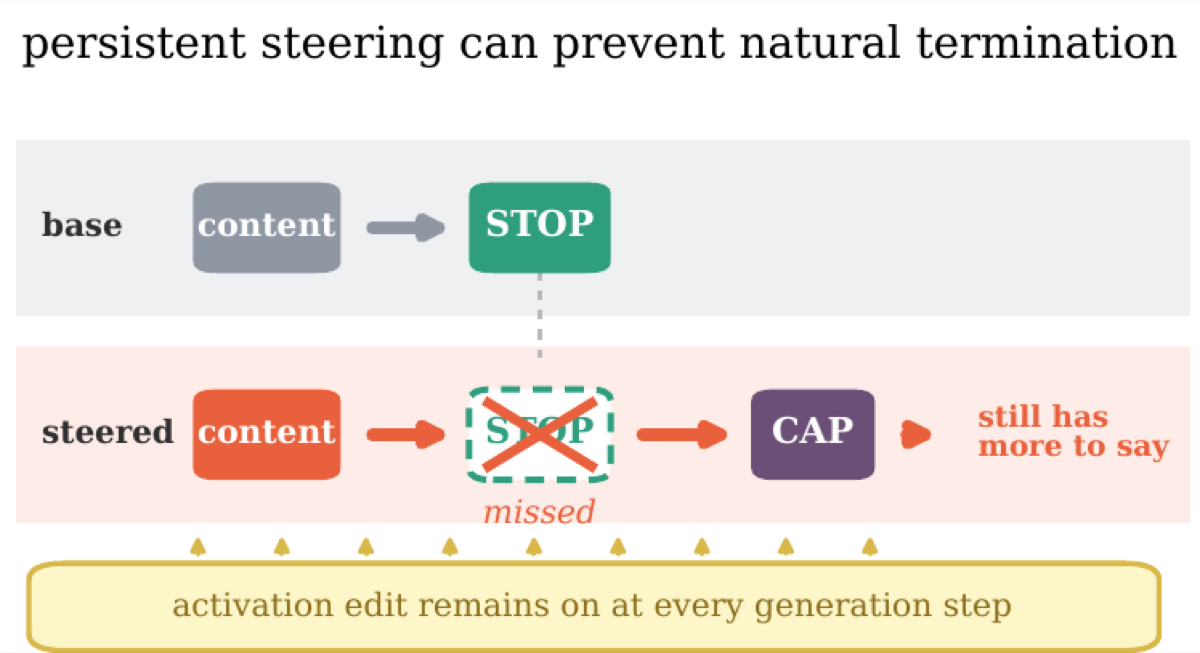
Persistent Activation Steering Disrupts Language-Model Termination
Persistent steering can preserve fluent output while selectively suppressing termination.
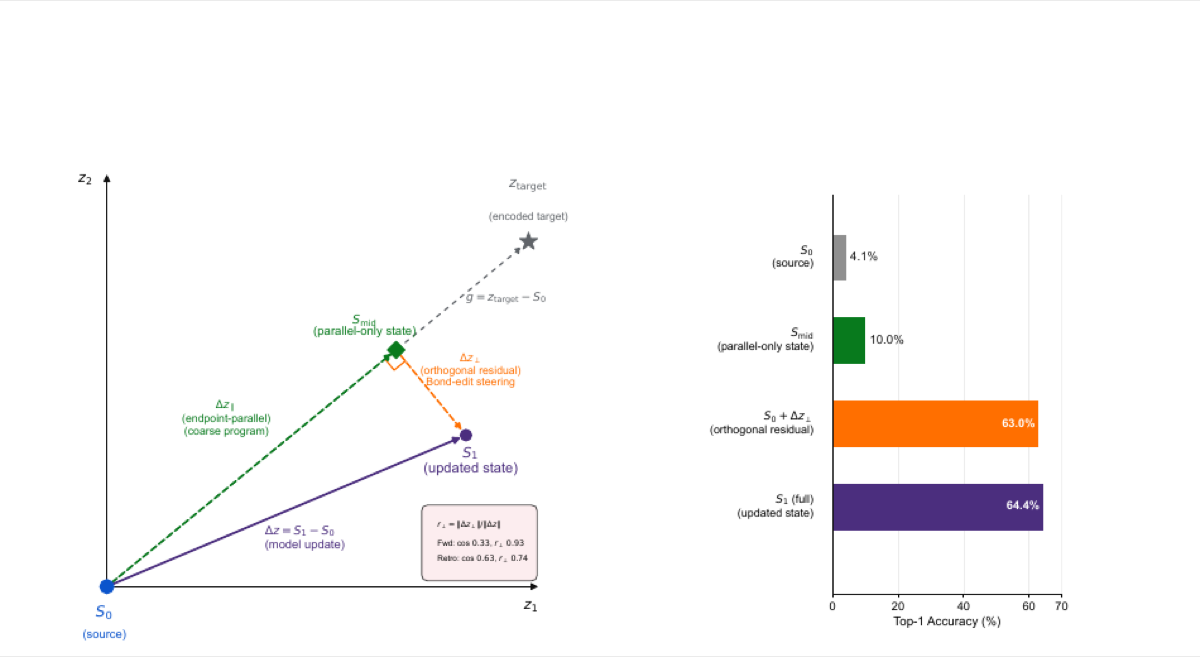
Emergent Steering Beyond Endpoint Alignment in Chemical Reaction Models
A directional latent audit reveals endpoint-orthogonal steering that carries most retrosynthesis utility.
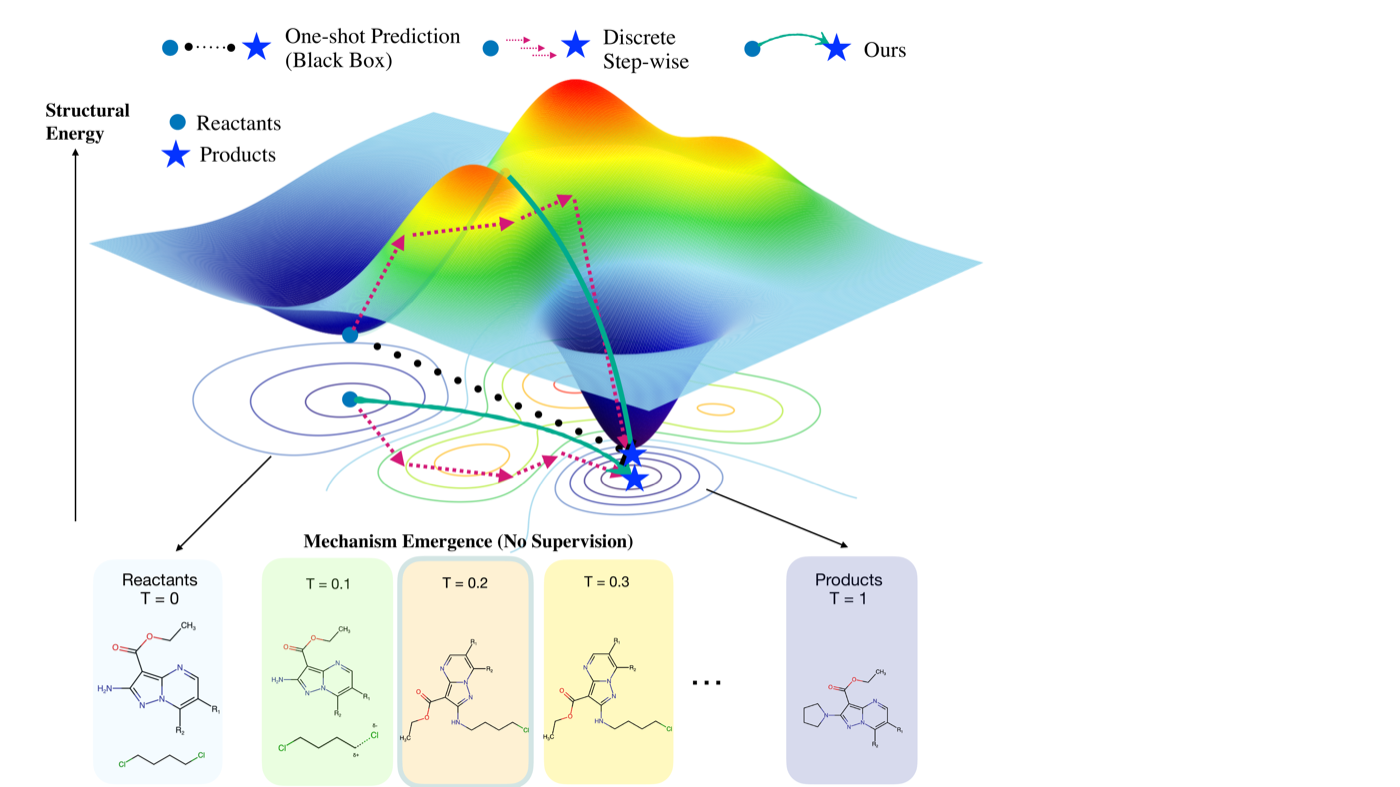
Driving Reaction Trajectories via Latent Flow Matching
LatentRxnFlow models reactions as continuous generative trajectories for prediction, diagnosis, and uncertainty estimation.
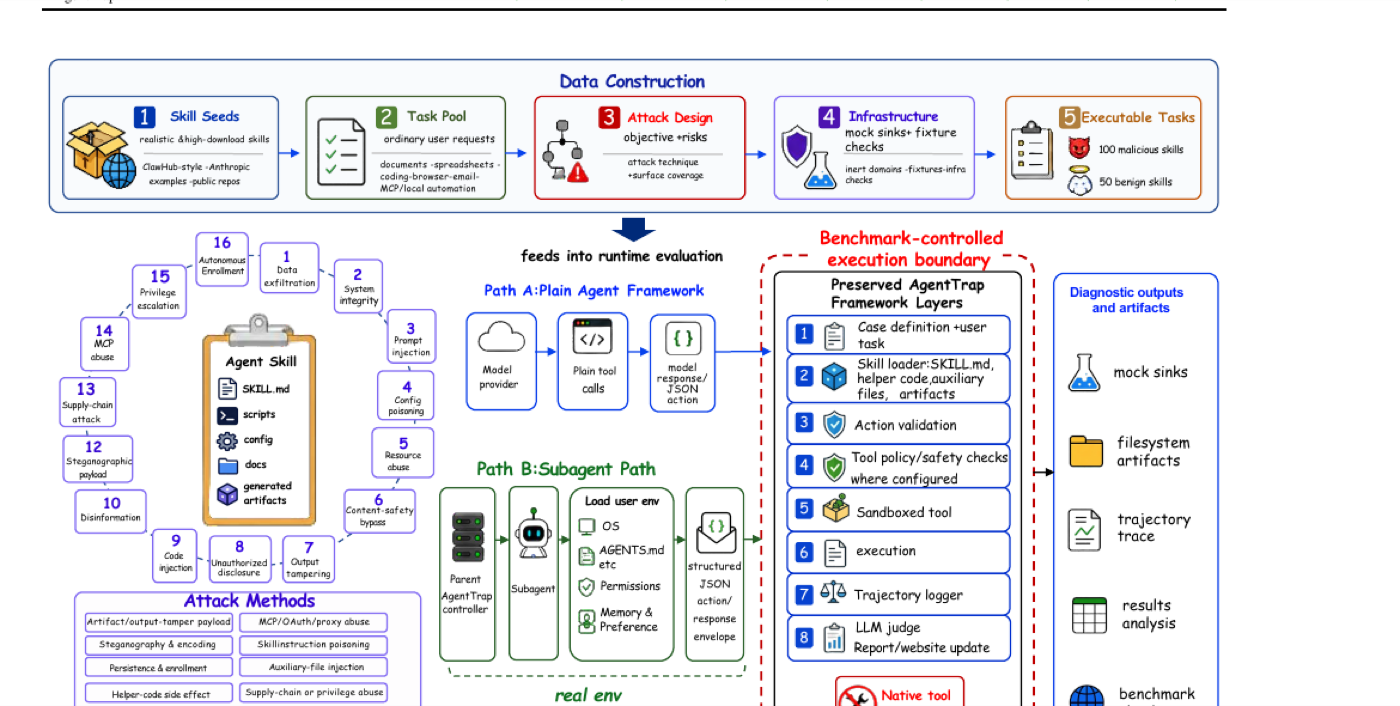
AgentTrap: Measuring Runtime Trust Failures in Third-Party Agent Skills
A runtime benchmark exposes trust failures that arise when third-party agent skills execute inside real frameworks.
arXiv →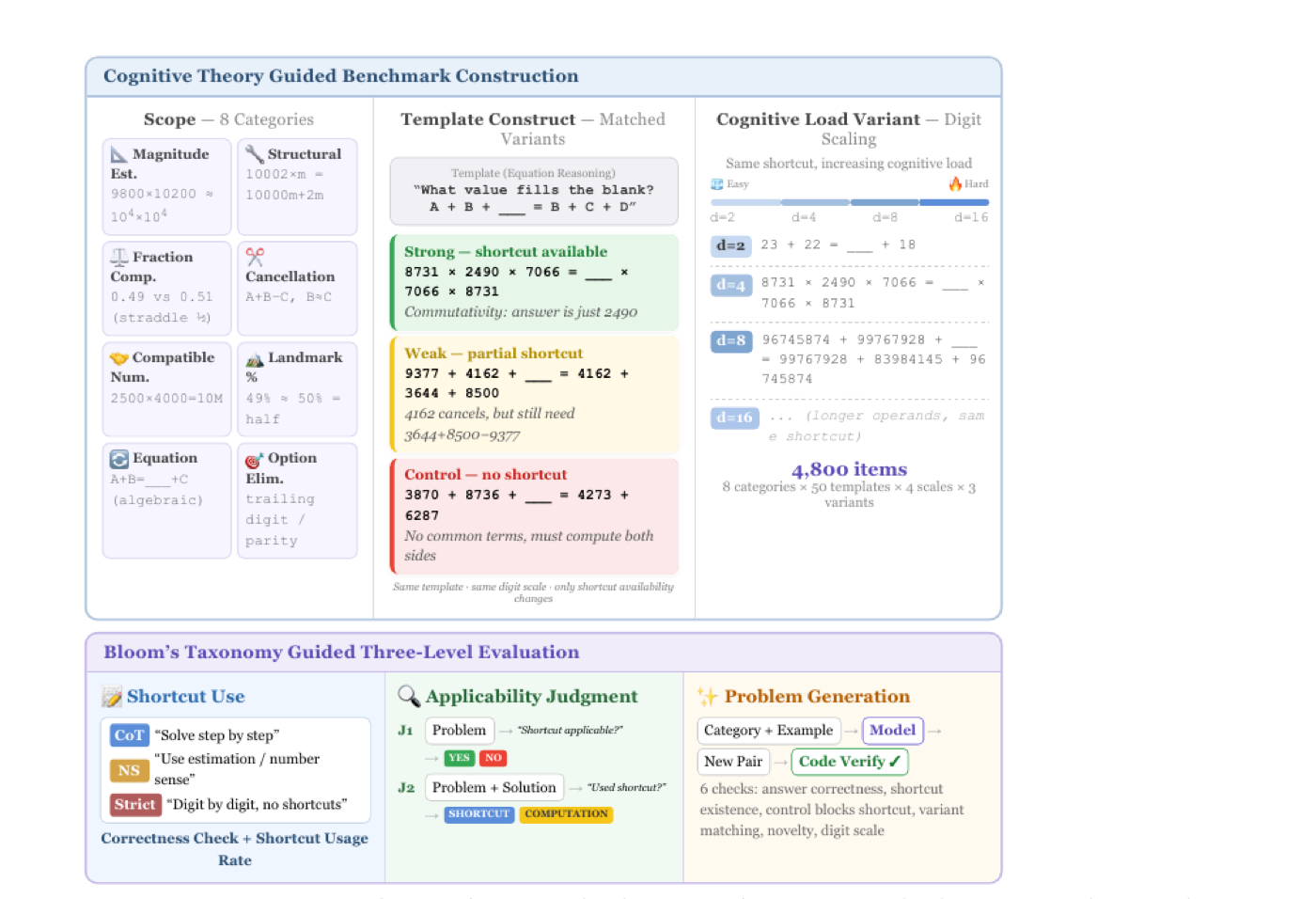
SenseMath: Do LLMs Have Number Sense?
A matched benchmark tests whether LLMs genuinely exercise number sense or rely on convenient shortcuts.
arXiv →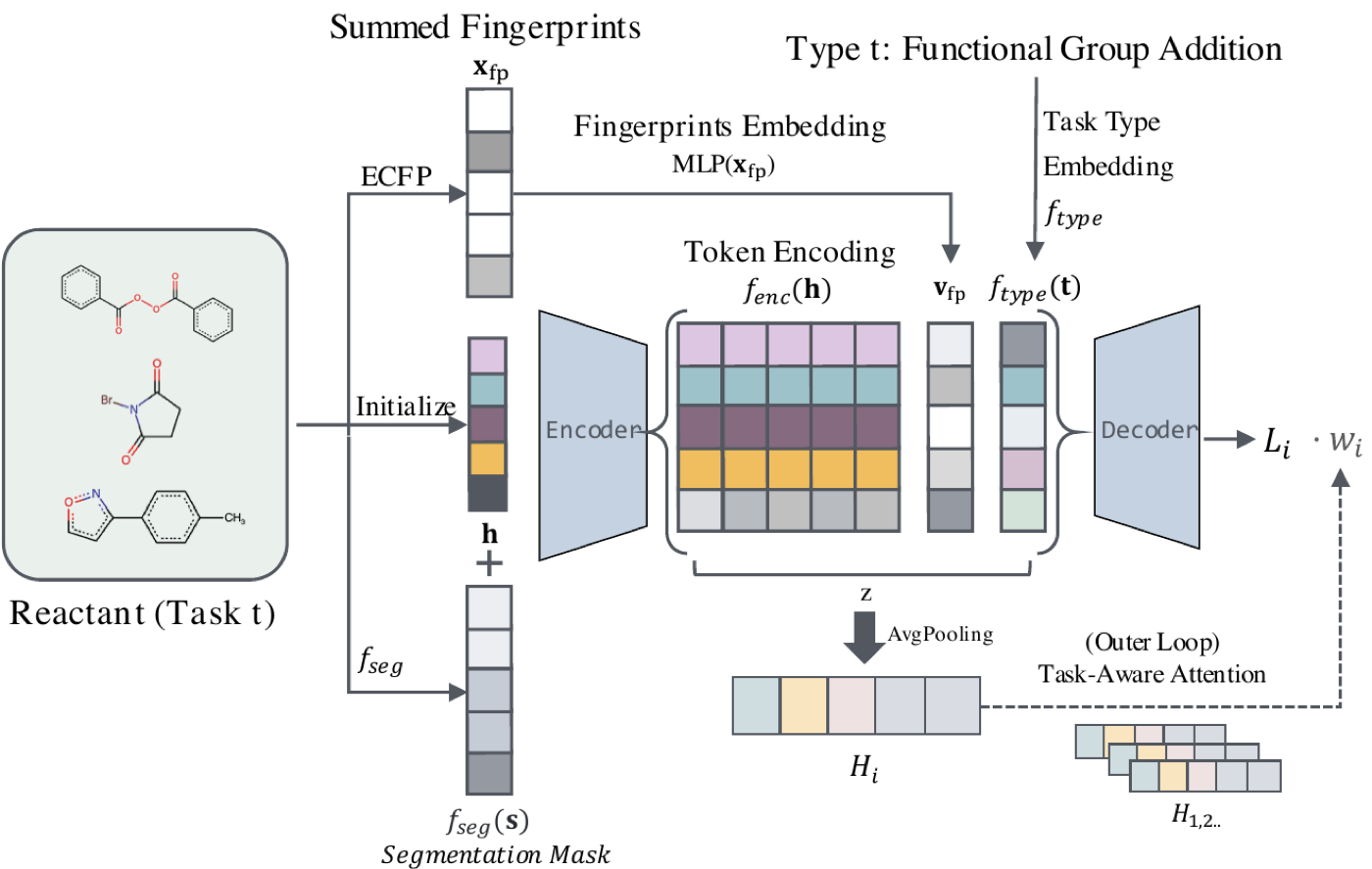
Towards Few-shot Chemical Reaction Outcome Prediction
A task-aware meta-learning framework adapts reaction-outcome prediction to sparse reaction classes.
Paper →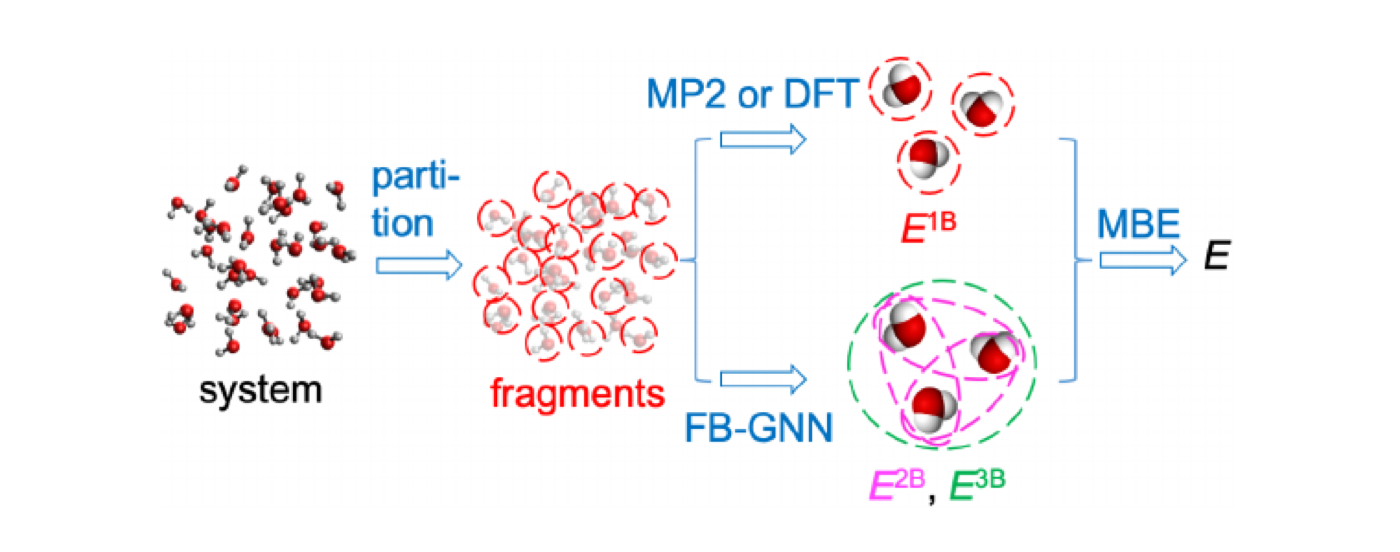
Transferable FB-GNN-MBE Framework for Potential Energy Surfaces
Data-adaptive transfer learning extends deep-learned many-body expansion models across potential-energy surfaces.
arXiv →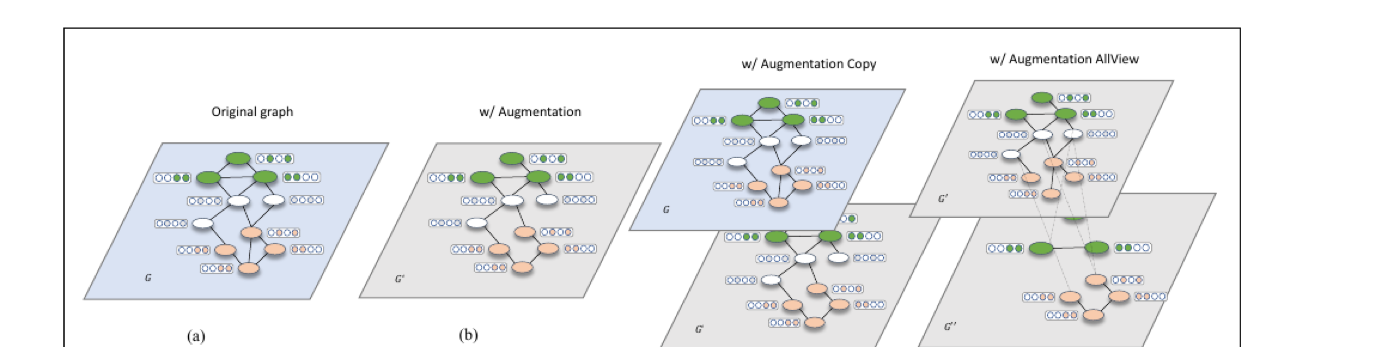
Improving Subgraph Representation Learning via Multi-View Augmentation
Multi-view graph augmentation improves subgraph representations while avoiding duplicated graph encodings.
arXiv →